India vs England 2nd ODI at Cardiff: KL Rahul Missed the Match With Illness, Ishan Kishan Replaced Him
India went into the second ODI at Sophia Gardens on 16 July 2026 with a 1-0 series lead and only one change to the XI they fielded in the opener — KL Rahul sat out with illness, Ishan Kishan took the gloves, and the rest of the side that won the first match was held over unchanged.
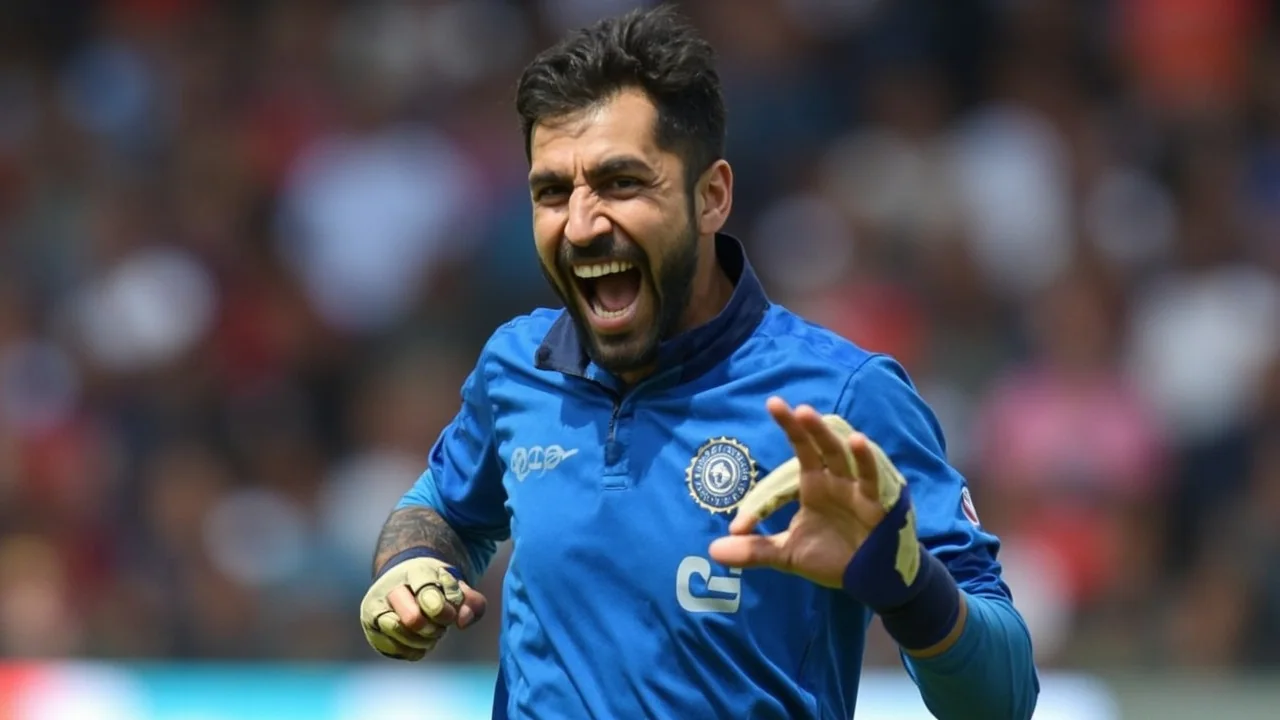
One change in, ten names held over
India arrived in Cardiff already holding a 1-0 lead from the series opener, won by six wickets, and named an unchanged side except for the slot behind the stumps. KL Rahul had fallen ill in the lead-up to the match, and Ishan Kishan was called up to keep wicket and bat in the middle order. Captain Shubman Gill confirmed the swap at the toss: “We have one change, KL is sick and Ishan comes in for him,” and added that India would have bowled first as well.
That single sentence from the India captain locks three things at once: the size of the change, the medical reason behind it, and the team’s read of the conditions. It also clarifies what the change was not. It was not a tactical reshuffle, not a workload call, and not a longer-term squad decision. The rest of India’s XI was held over from the first ODI, which means fantasy desks working off the series opener were dealing with a single-player edit rather than a structural rewrite.
For England, the change count was higher and the logic was different. Harry Brook won the toss and chose to bowl first under lights, and brought in two players who had not featured in the series opener: Saqib Mahmood came in for Josh Tongue, and Gus Atkinson came in for Liam Dawson. England therefore made two changes to the XI, while India made one.
Why Rahul missed the Cardiff ODI
Illness, not selection, was the trigger — and that distinction changes how fantasy readers should weight the swap.
The trigger for India’s single change was a straightforward medical update. KL Rahul reported unwell in the lead-up to the 2nd ODI, was ruled out of the match and was replaced behind the stumps by Ishan Kishan. India captain Shubman Gill named the swap directly at the toss, which means the franchise-level medical room, the team management and the BCCI support staff had all signed off on the change before the coin went up. There was no late-night ambiguity about whether Rahul would play.
For fantasy readers, the illness framing matters. A selection drop carries a longer shadow — it usually implies the player has lost a tactical battle, a slot, or a role, and the new name is being measured over a longer horizon. An illness absence is shorter and cleaner: the player recovers, the role is usually still his, and the replacement is measured in days rather than weeks. Rahul’s wicketkeeper-batter slot at six or seven is not in dispute because of this swap; Kishan is holding it for one match.
That distinction is also why India did not announce a formal replacement on the squad sheet. The franchise had no need to. The same eleven minus Rahul plus Kishan covers exactly the role Rahul was meant to play, and the rest of the top six — Rohit Sharma, Shubman Gill, Virat Kohli, Shreyas Iyer — was already locked in. When a swap is one-for-one and reason is illness, the rest of the batting order is not asked to absorb anything new.
Verified swap markers
India’s playing XI at Sophia Gardens
Ten names held over from the series opener, one medical swap behind the stumps.
India’s XI in the 2nd ODI read as follows: Rohit Sharma, Shubman Gill (c), Virat Kohli, Ishan Kishan (wk), Shreyas Iyer, Washington Sundar, Shivam Dube, Axar Patel, Gurnoor Brar, Jasprit Bumrah, Prasidh Krishna. The top three stayed intact from the first match, the all-rounders at six, seven and eight held their phase allocations, and the new-ball pair of Bumrah and Prasidh Krishna led the attack. The only edit was at four, where Kishan stepped in for the ill Rahul.
That stability gives the batting card a familiar shape. Rohit and Gill open, Kohli slots in at three as the long-format anchor, and the middle order begins at four with Kishan, Iyer at five and Sundar at six. The lower middle order — Dube, Axar, Brar — provides left-right contrast and depth down to nine. The bowling reads as Bumrah and Prasidh with the new ball, Axar and Sundar as the spin options through the middle, and Dube’s seam-up spells as the tactical variation in the powerplay and at the death.
For fantasy desks tracking role slots, this is the line-up to log against any subsequent ODI assignment in this series. Rahul’s illness absence is the only variable; once he is fit, the slot at six or seven returns to him by default. Until that happens, Kishan is the wicketkeeper-batter reference point for India at this venue.
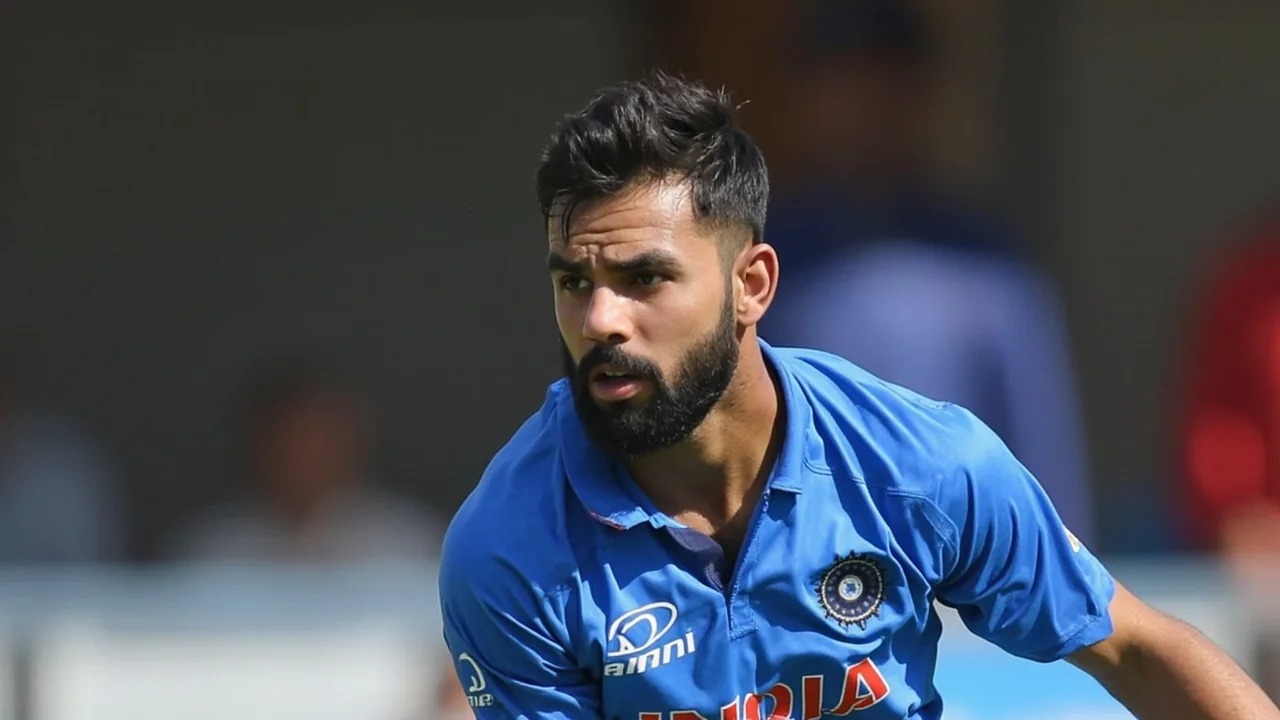
England’s playing XI at Sophia Gardens
Two fresh names in the attack, top order unchanged.
England’s XI read: Ben Duckett, Jacob Bethell, Joe Root, Harry Brook (c), Jos Buttler (wk), Sam Curran, Will Jacks, Gus Atkinson, Jofra Archer, Adil Rashid, Saqib Mahmood. The top six held their positions from the series opener, with Duckett and Bethell opening, Root at three, Brook at four and Buttler at five. The first change came at eight, where Atkinson came in for Dawson, and the second at eleven, where Mahmood replaced Tongue.
The shape of the attack is the interesting read. Archer and Atkinson give England a high-pace new-ball pair with two different release points — Archer from over the wicket at high speed, Atkinson from a slightly taller, more upright action that tends to extract seam movement. Rashid is the lone specialist spinner at nine, with Jacks offering part-time off-spin and Curran the seam-up all-rounder spells. Mahmood’s inclusion at eleven brings a third express pace option, which matters in a day-night ODI where the ball can hold its hardness deep into the second innings.
England needed to win this match to stay alive in the series after losing the opener by six wickets, and the two changes suggest the management read the surface and the short boundary as a pace-friendly combination. The toss decision to bowl first fits that read: get the ball moving under lights, keep India to a chaseable total, then back the batting depth to clear it. Brook’s call to bowl first was effectively a vote of confidence in the fresh attack before a ball had been bowled.
Two changes, one tactical bet
The toss, the surface and the Brook-Gill call
Both captains said they would have bowled first, only Brook got to act on it.
Harry Brook called correctly at Sophia Gardens and elected to bowl first. The decision was straightforward on paper — a day-night ODI under English summer skies often rewards the side that chases under lights, when the ball skids on and dew starts to take the shine off — and the toss call confirmed what England’s team selection already hinted at. Shubman Gill said at the toss that India would have bowled first as well, which means the captains read the conditions the same way; only Brook got to act on it.
That alignment matters because it rules out a particular type of post-match narrative. If India had lost the toss, bowled first, and been asked to defend a smaller total, the post-mortem would have begun with “what if they had bowled second”. Brook’s coin-flip win closed that line early. Both captains read the pitch the same way, and England executed first.
The Sophia Gardens surface for this fixture was a typical Cardiff ODI deck: green-tinged early on, true bounce through the afternoon, and enough lateral movement under lights to keep the new ball in play for the first ten overs. Brook’s chase-first decision paired naturally with the two pace-for-pace changes he made to the XI — the first ten overs of the Indian innings, with the ball still hard, was the window where the new attack was bought to do its work.
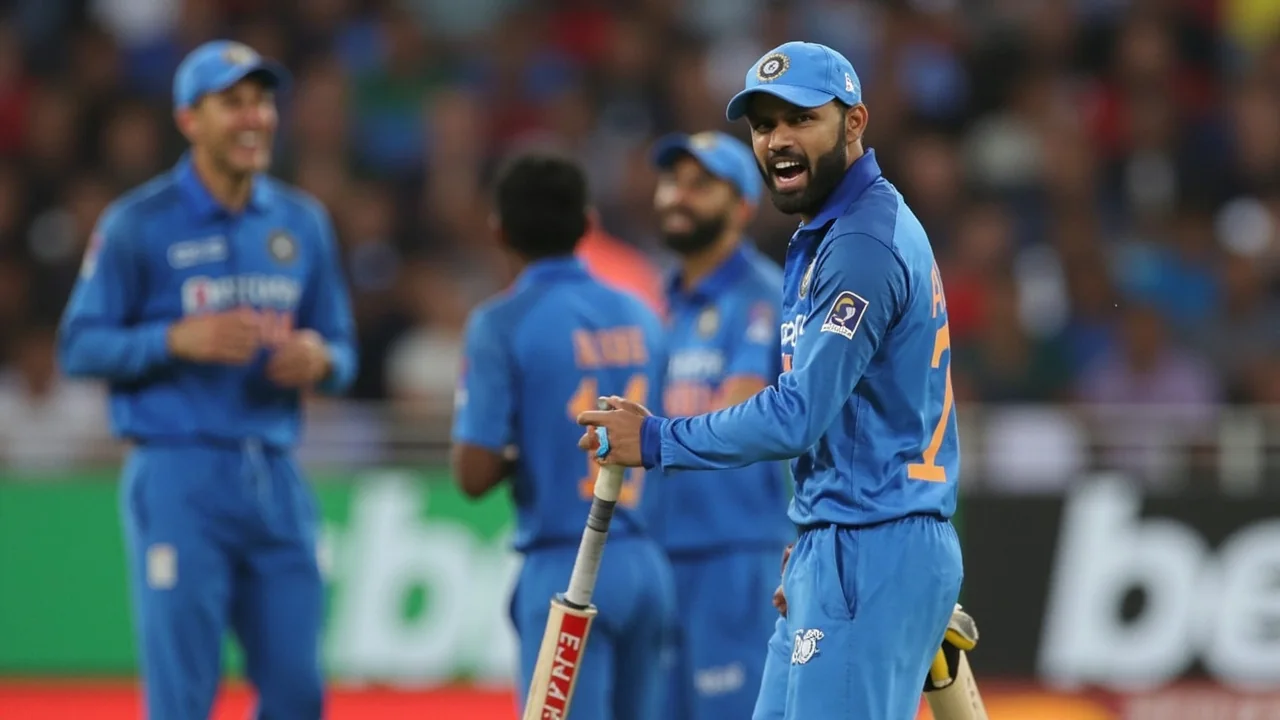
What Kishan at six changes for India’s middle order
One slot swap, but the role-mapping questions follow the new name around the dressing room.
When Kishan comes in at four and pushes everyone else up by one, the practical effect on India’s batting map is small. The top three stays exactly as it was; Iyer moves from five to his preferred four-or-five slot a touch earlier; Sundar continues at six as the spin-bowling all-rounder. The visible change is at four, where Kishan replaces Rahul, and the responsibility shift is narrower than it looks on a team sheet.
The less visible change is in role expectation. Rahul has been India’s preferred anchor-plus-wicketkeeper combination in this format — a high-average right-hander who absorbs dot pressure at one end and lets the batters around him score freely. Kishan’s batting style is more attacking on first look; he is more likely to take on the short leg-side boundary early than to milk the field in a Rahul pattern. That is not a criticism of the swap, just a description of what changes.
For India’s bowling card, the swap is neutral. Sundar and Axar still bowl their ten overs between them through the middle, Dube still handles the seam-up variation, and the new-ball pair of Bumrah and Prasidh Krishna is unchanged. The lower order is therefore under no extra pressure to absorb extra overs; the top-order rotation just looks a little different when Kishan is the man taking the singles against Rashid rather than Rahul.
Saqib Mahmood and the rebuilt England attack
Two changes added pace options and removed a left-arm spinner — a calculated read of conditions.
The two changes England made were both in the bowling unit, and they pointed in the same direction. Josh Tongue, the seamer who featured in the first ODI, made way for Saqib Mahmood, who brings a fuller, more skiddy length with the new ball. Liam Dawson, the left-arm spinner, was replaced by Gus Atkinson, who adds a taller seam-bowling option. The combined effect was to drop the team’s spin depth and lift its pace count from three to four.
Mahmood’s inclusion was the more significant call. He has been the third seamer in England’s white-ball mix across the last year, and his role against a strong Indian top three is to hold one end down while Archer attacks from the other. With Atkinson as a fourth pace option, England also had the cushion to rotate the short-pitched spells without over-bowling Archer early. The reading of conditions — extra pace, less spin — was clearly shared by the captain and the coaching staff.
Dawson’s omission is worth noting in the other direction. He had been the second spinner behind Rashid in the series opener, a left-arm angle that gave the captain a second option in the middle overs. By going with Atkinson instead, England accepted that the middle-overs spin load would be carried by Rashid and part-time off-spin from Jacks. That is a smaller middle-overs spin bank than usual, but a larger pace bank — a deliberate trade that fits a Cardiff surface under lights.
Series stakes: India one win from the trophy
The 2nd ODI gave India a chance to seal the three-match series; England needed a win to stay alive.
India took a 1-0 series lead after winning the opening ODI by six wickets. The 2nd ODI at Cardiff therefore gave India a chance to seal the three-match series with a game to spare, while England needed a win to stay alive and take the series to a decider at the third venue. The maths was simple: win for India meant the trophy was theirs at Sophia Gardens; win for England meant the series was square with one match left to play.
That series arithmetic shaped both selection calls. India, already a win up, kept ten names from the opener and made one medical swap. The message was continuity. England, a win down, made two changes — both in the bowling unit — and signalled a tactical adjustment. The pitch-friends read that came out of the toss call aligned with that adjustment: bowl first, attack with pace, chase under lights.
The decider at the third venue, if it was needed, would have been a clean reset for both sides. India would have had the cushion of a series win already in the bag; England would have had the momentum of levelling the series at Cardiff. As it stood at the toss, the 2nd ODI carried the series on its back, and the choice of eleven mattered more than usual because the next chance was a week away and the result would define how the decider, if any, was set up.
What to watch next
Three practical checks will settle the rest of the series before any third ODI gets underway.
Rahul’s recovery note
Whether the BCCI medical room clears KL Rahul for the third ODI, if it is needed, is the single most important availability update coming out of the Cardiff match.
Kishan’s glove work
Ishan Kishan’s keeping under the lights — particularly against Archer’s short ball and Rashid’s googly — is a verdict point if India decide to rest Rahul again at the decider.
Mahmood’s new ball
Saqib Mahmood’s opening spell at Sophia Gardens tells England whether the third-seamer promotion deserves a longer run or rolls back to Tongue for the next fixture.
Sundar’s role
Washington Sundar’s middle-overs overs are the floor of India’s bowling card on a turning surface. Watch how many he is asked to bowl and at which batters.
Prasidh Krishna
Prasidh Krishna’s death-over yorkers will be tested against Buttler and Brook if England are chasing. His economy against left-handers will set the contest for the back end.
Decider venue
If the series goes to a third ODI, the venue and surface will reset the team-selection debate. India’s continuity advantage and England’s pace-bowling depth will both be re-tested.
Quick answers
Short clarifications tied only to the verified material in this briefing.
Why was KL Rahul not playing the 2nd ODI at Cardiff?
Rahul missed the match because he was unwell. India captain Shubman Gill confirmed the swap at the toss: “We have one change, KL is sick and Ishan comes in for him.”
Who replaced KL Rahul in India’s XI?
Ishan Kishan took the gloves and the wicketkeeper-batter slot at number four. The rest of India’s XI was unchanged from the series opener.
How many changes did India make for the 2nd ODI?
Just one. Ten names were held over from the opening ODI, won by six wickets, and only the slot behind the stumps changed.
Who won the toss and what did they elect to do?
England captain Harry Brook won the toss and elected to bowl first under lights at Sophia Gardens.
How many changes did England make?
England made two changes: Saqib Mahmood replaced Josh Tongue and Gus Atkinson replaced Liam Dawson in the XI.
What was the full India XI for the 2nd ODI?
Rohit Sharma, Shubman Gill (c), Virat Kohli, Ishan Kishan (wk), Shreyas Iyer, Washington Sundar, Shivam Dube, Axar Patel, Gurnoor Brar, Jasprit Bumrah, Prasidh Krishna.
What was the full England XI for the 2nd ODI?
Ben Duckett, Jacob Bethell, Joe Root, Harry Brook (c), Jos Buttler (wk), Sam Curran, Will Jacks, Gus Atkinson, Jofra Archer, Adil Rashid, Saqib Mahmood.
What was at stake in the 2nd ODI?
India led the series 1-0 after winning the opener by six wickets. A win for India in Cardiff would seal the three-match series; a win for England would take it to a decider.
How this briefing should age
Treat the Rahul swap as a dated availability snapshot, not a permanent selection rule.
This briefing is tied to a single news day: the Times of India dispatch filed on 16 July 2026 covering the 2nd ODI at Sophia Gardens. If the BCCI medical room, the England and Wales Cricket Board or the player’s representatives later publish a contradictory or more specific position on Rahul’s illness and recovery, the newer primary document wins. Do not stretch the “KL is sick” line into a guaranteed multi-match absence.
For series-reading fantasy desks, file the story under playing-XI tracking. Pair it with captaincy and venue notes for the next fixture in the series. Playing-XI coverage is useful when it is precise; it is noise when it is projected past the source. The verified facts above come from the Times of India dispatch, and any addition beyond them has no claim to belong on the playing-XI desk.
For readers following the wider India tour of England, this is one entry in a longer team-selection log. The Playing XI desk at comefantasypicks.com/teams/ tracks confirmed XIs across the series and surfaces the verified changes in plain language.
Three holding rules
Stay with verified India tour XIs
When the next toss lands, weigh it beside conditions, roles and responsible limits — not ahead of them.