Independent cricket education · India · Adults 18+ · No guaranteed winnings
Match desk
Home / Fantasy Player Role Cards and Selection Notes
COME PICKS FIELD NOTE

Fantasy Player Role Cards and Selection Notes

A detailed India-focused guide to compare players by present opportunity rather than reputation, using visible assumptions and responsible limits.

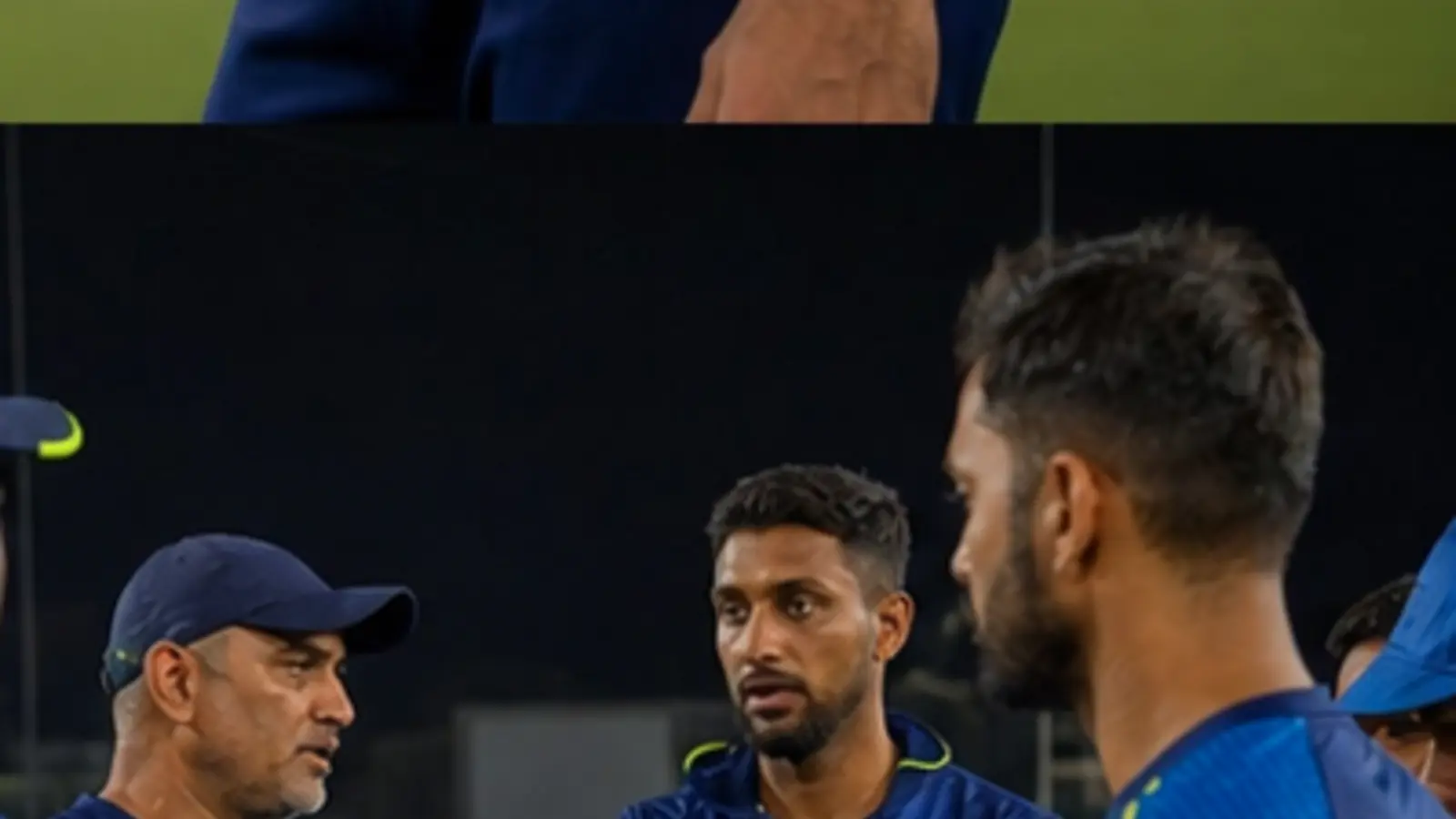
Fantasy Player Role Cards and Selection Notes editorial cricket scene
Professional cricket context for this players guide.
Latest notes

Latest player-desk briefings

The newest editorial player-desk updates, newest first.

Answer first

The short answer

Use this page to compare players by present opportunity rather than reputation. Begin with recent role, fitness status, matchup and expected workload. The most damaging shortcut is letting a career average hide a reduced current role. A reliable conclusion will create a dated role card for every shortlist candidate, while keeping one firm boundary: avoid medical or selection claims without reliable sourcing.

FIELD NOTE 01

The decision this page helps you make

Define the exact question before collecting facts.

Define the exact question before collecting facts. The scope is deliberately narrow: compare players by present opportunity rather than reputation. Start by writing that task in one sentence and remove facts that cannot change it. For this topic, the working material is recent role, fitness status, matchup and expected workload. Give every item a source and time. This prevents an old update from sitting beside a fresh one as though both carry equal weight. The result should be a decision note, not a collection of cricket phrases or promotional claims. A useful note tells the reader what to do next and what remains unresolved. It also observes the boundary that avoid medical or selection claims without reliable sourcing.

FIELD NOTE 02

What counts as strong evidence

Use information that is current, attributable and relevant to the role.

Use information that is current, attributable and relevant to the role. Evidence is strong only when it is attributable, timely and connected to the question. Here that means checking recent role, fitness status, matchup and expected workload. A source may be credible but irrelevant to the present role; another may be recent but merely repeat an unconfirmed rumour. Rank direct announcements and current rules above screenshots or forwarded messages. Then create a dated role card for every shortlist candidate. If two reliable sources disagree, publish the disagreement and wait for the event that resolves it. Do not smooth over the gap with confident prose, because that creates the exact problem of letting a career average hide a reduced current role.

FIELD NOTE 03

A practical workflow

Move through a fixed order so late noise does not control the decision.

Move through a fixed order so late noise does not control the decision. Run the work in four passes. First, collect only the inputs needed to compare players by present opportunity rather than reputation. Second, mark each input confirmed, projected or unknown. Third, create a dated role card for every shortlist candidate. Fourth, write the trigger that would force a revision. The trigger might be a final XI, a changed rule, a verified operator statement or a weather update, depending on the page. This ordered process makes a late change manageable because the whole argument does not need to be rebuilt. It also keeps the safe limit visible: avoid medical or selection claims without reliable sourcing.

A practical workflow for Fantasy Player Role Cards and Selection Notes
Move through a fixed order so late noise does not control the decision.
FIELD NOTE 04

How to read uncertainty

Use scenarios instead of hiding the range of possible outcomes.

Use scenarios instead of hiding the range of possible outcomes. Uncertainty is not a weakness to hide. Build a base case from recent role, fitness status, matchup and expected workload, then write one upside case and one adverse case. The adverse case should directly test the risk of letting a career average hide a reduced current role. Give no scenario a false percentage when the sample does not support one. Instead, explain which fact would make that path more plausible. This approach helps a reader understand why the view may change and makes it possible to create a dated role card for every shortlist candidate. If none of the cases can be distinguished with available evidence, the honest conclusion is to wait.

FIELD NOTE 05

Common failure patterns

Spot shortcuts that look useful but break when conditions change.

Spot shortcuts that look useful but break when conditions change. The first recurring mistake is letting a career average hide a reduced current role. A second is mixing a verified fact with an editorial projection in the same sentence. A third is updating the conclusion because a claim is popular rather than because it changes opportunity or safety. Correct these errors by returning to recent role, fitness status, matchup and expected workload. Cross out any input with no source, no date or no link to the stated decision. Then create a dated role card for every shortlist candidate. The final copy should remain useful even to someone who disagrees, because they can see the chain of reasoning and the boundary that avoid medical or selection claims without reliable sourcing.

FIELD NOTE 06

A worked match-day scenario

Apply the method to a realistic sequence without pretending to know the result.

Apply the method to a realistic sequence without pretending to know the result. Imagine the reader begins several hours before the relevant match or account action. The initial view is provisional because only part of recent role, fitness status, matchup and expected workload is available. A later announcement changes one material assumption. The disciplined response is not to replace everything; it is to identify which part of the plan to compare players by present opportunity rather than reputation depended on that assumption. Recalculate that part, retain the unaffected evidence and record the update time. This worked sequence avoids letting a career average hide a reduced current role, supports the goal to create a dated role card for every shortlist candidate, and leaves the reader with a clear reason rather than a mysterious last-minute change.

A worked match-day scenario for Fantasy Player Role Cards and Selection Notes
Apply the method to a realistic sequence without pretending to know the result.
FIELD NOTE 07

How to document the choice

Write a short reason, source time and condition that would change the view.

Write a short reason, source time and condition that would change the view. Use a compact decision log with five fields: context, source, time, conclusion and reversal trigger. Under conclusion, explain how the evidence supports the ability to compare players by present opportunity rather than reputation. Under reversal trigger, name the information that would invalidate it. For this subject the most useful source group is recent role, fitness status, matchup and expected workload. The log should also record the danger of letting a career average hide a reduced current role. A dated note creates accountability: a later reader can distinguish a reasonable old view from a claim that was never supported. Close the note by stating that avoid medical or selection claims without reliable sourcing.

FIELD NOTE 08

What changes after the toss

Update only the assumptions affected by confirmed information.

Update only the assumptions affected by confirmed information. After a toss or other decisive update, compare the new fact against the existing assumptions one by one. Do not make a change merely because the countdown creates pressure. Ask whether it affects recent role, fitness status, matchup and expected workload, whether it changes the path to compare players by present opportunity rather than reputation, and whether the old failure case is now more likely. If yes, update the affected choice and explain why. If no, keep the plan. This restraint is part of the method to create a dated role card for every shortlist candidate. It reduces impulsive edits while respecting the non-negotiable limit that avoid medical or selection claims without reliable sourcing.

FIELD NOTE 09

Quality-control questions

Challenge the strongest-looking claim before acting on it.

Challenge the strongest-looking claim before acting on it. Quality control begins with a hostile reading of the strongest claim. Could the page be accused of letting a career average hide a reduced current role? Is the cited material really recent role, fitness status, matchup and expected workload, or is it a proxy that only sounds relevant? Can another editor reproduce the reasoning and create a dated role card for every shortlist candidate? Check that the title, update date, answer-first paragraph and detailed sections all describe the same scope. Remove claims that cannot survive these questions. Finally, read the page as a first-time visitor and make the operating boundary unmistakable: avoid medical or selection claims without reliable sourcing.

LayerQuestionAction
ConfirmedIs it supported by recent role, fitness status, matchup and expected workload?Record source and time.
ProjectedWhat must be true to compare players by present opportunity rather than reputation?Publish the assumption.
RiskCould this become letting a career average hide a reduced current role?Test the adverse case.
BoundaryWhat should the reader not infer?Avoid medical or selection claims without reliable sourcing.
FIELD NOTE 10

Hindi field note

Summarise the safety step in clear, practical language for Indian readers.

Summarise the safety step in clear, practical language for Indian readers. Indian readers often reach a page during a short match-day window, so clarity matters more than dramatic language. The key action is to compare players by present opportunity rather than reputation; the key inputs remain recent role, fitness status, matchup and expected workload. Use familiar cricket terms where they are precise, but explain what each term changes. Hindi guidance should reinforce the same evidence standard, not introduce a separate promise. This bilingual note must still warn against letting a career average hide a reduced current role, show how to create a dated role card for every shortlist candidate, and repeat the safe position that avoid medical or selection claims without reliable sourcing.

अंतिम निर्णय से पहले स्रोत, समय और वर्तमान भूमिका जाँचें। अनुमान को पक्की जानकारी न मानें। कोई भी चयन निश्चित परिणाम नहीं देता, इसलिए खर्च और समय की सीमा पहले तय करें।


Hindi field note for Fantasy Player Role Cards and Selection Notes
Summarise the safety step in clear, practical language for Indian readers.
FIELD NOTE 11

Related research path

Connect this intent to conditions, teams, player roles and responsible play.

Connect this intent to conditions, teams, player roles and responsible play. This intent works best as part of a research path. Begin with pitch and weather when they affect the event, continue to confirmed teams and player roles, and use captaincy or contest guidance only after those layers are stable. For account-related intents, begin with operator identity and official documentation instead. At every stage, use recent role, fitness status, matchup and expected workload to support the attempt to compare players by present opportunity rather than reputation. Related links should deepen the task, not send the reader through thin variations. The path must avoid letting a career average hide a reduced current role and preserve the rule that avoid medical or selection claims without reliable sourcing.

FIELD NOTE 12

Final checklist

Finish with a small set of checks that can be completed under time pressure.

Finish with a small set of checks that can be completed under time pressure. Before leaving the page, confirm six items: the scope is explicit; the source class is visible; the relevant time is recorded; the distinction between fact and projection is clear; the main failure case has been tested; and the next action is proportionate. In this guide, that action is to compare players by present opportunity rather than reputation. The supporting basis is recent role, fitness status, matchup and expected workload, and the practical review should create a dated role card for every shortlist candidate. If one of those checks fails, pause rather than publish or act. The closing boundary remains unchanged: avoid medical or selection claims without reliable sourcing.

What is the quickest useful check?

Start with recent role, fitness status, matchup and expected workload. If it is unavailable, label the conclusion provisional rather than filling the gap.

When should this page be reviewed?

Review it when a new source changes the ability to compare players by present opportunity rather than reputation, or when the stated update date is no longer current.

What is the main mistake to avoid?

Avoid letting a career average hide a reduced current role. It creates confidence without improving the underlying decision.

Does this page guarantee an outcome?

No. Avoid medical or selection claims without reliable sourcing. The page provides a transparent research process, not certainty.

Continue with current evidence

Check the pitch, confirmed teams and captaincy framework before lineup lock.

Play now